G100 Begins Opposition Unity Drive, Holds Talks With Atiku, Obi, Kwankwaso, Others Ahead of 2027
ISSN: 2354-4481
By Rita Onuoha
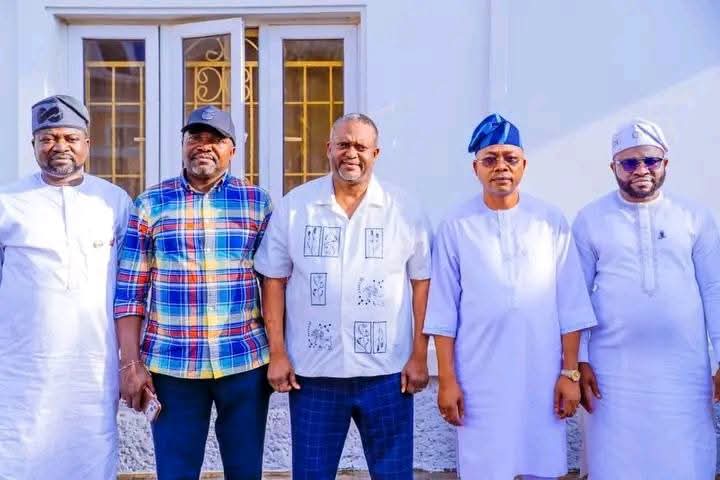
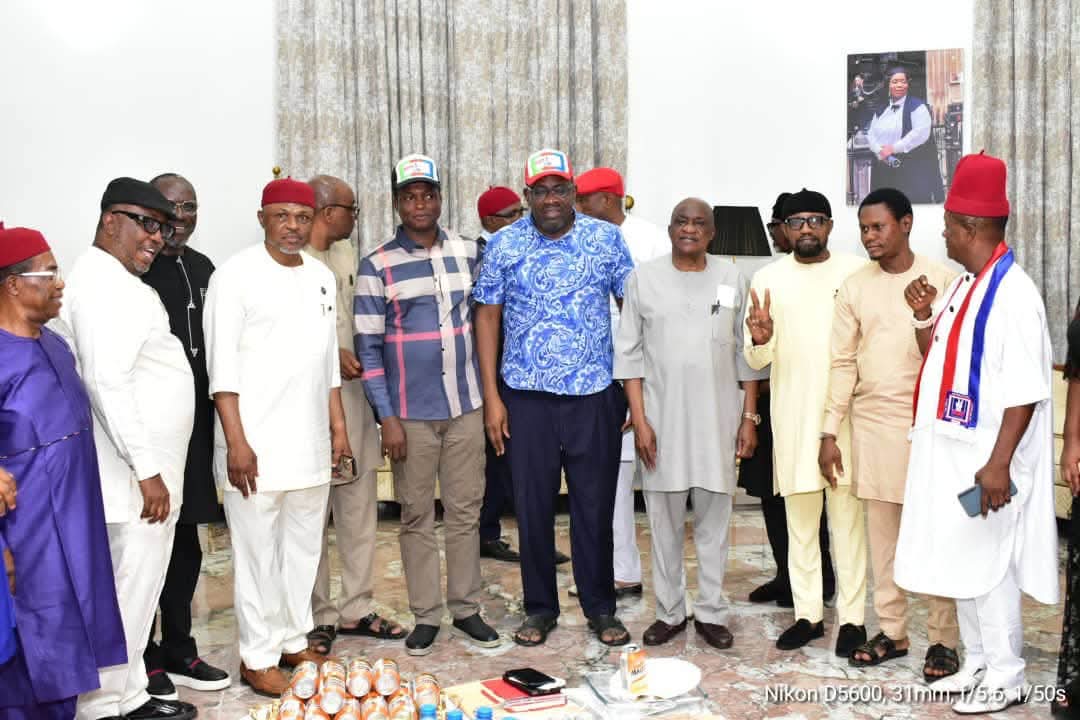
The G100, a coalition of concerned Nigerians advocating greater political cooperation ahead of the 2027 general election, has concluded the first round of consultations with leaders and representatives of six opposition political parties.
The consultations are part of a broader effort to build a united opposition front capable of presenting a credible political alternative to the ruling party in the 2027 elections.
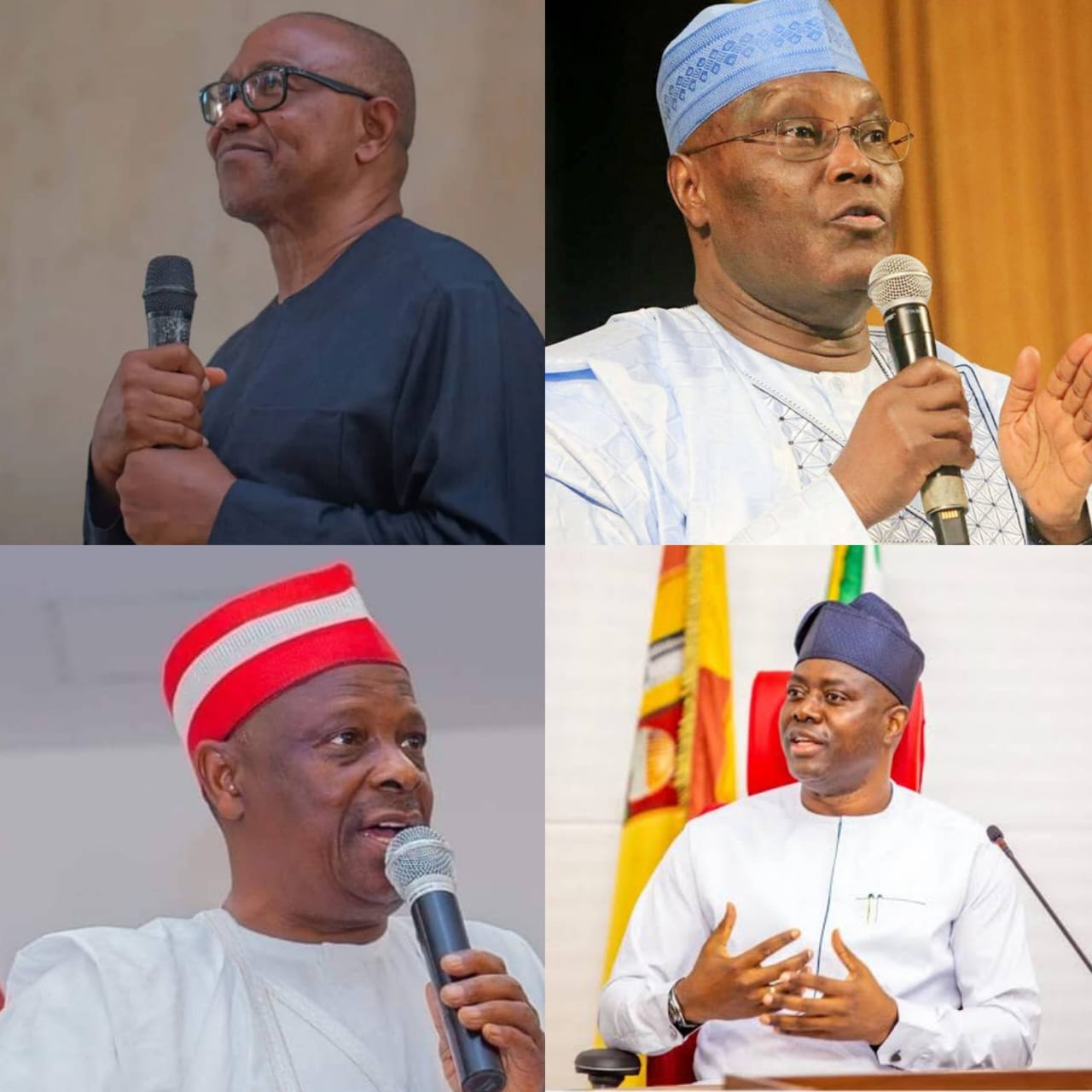
According to the coalition, the meetings involved prominent opposition figures, including former Vice President Atiku Abubakar of the African Democratic Congress (ADC), Peter Obi and Rabiu Musa Kwankwaso of the Nigeria Democratic Congress (NDC), as well as representatives and political figures associated with Seyi Makinde's Allied Peoples Movement (APM) and other opposition platforms.
The G100 said the engagements were frank, constructive and encouraging, with participants acknowledging that the opposition would need to overcome political differences and embrace greater cooperation if it is to mount an effective challenge in 2027.
The coalition said the discussions focused on the possibility of collaboration among opposition parties, the need for political compromise, and the development of a framework that could bring different political interests under a common platform.
The 2027 general election is already generating significant political realignment, with opposition politicians and parties exploring possible alliances in response to the dominance of the ruling All Progressives Congress (APC).
The emergence of multiple opposition platforms and the movement of prominent politicians across party lines have intensified conversations about the possibility of a broad coalition ahead of the election.
Supporters of opposition cooperation argue that fragmented political forces could divide votes and make it difficult for opposition parties to defeat the ruling party, even where there is substantial public dissatisfaction with the government.
The G100 initiative is therefore seeking to create an avenue where opposition leaders can discuss their differences and identify areas of common interest before the election season becomes more intense.
The coalition said it would soon facilitate a summit bringing together opposition parties and other relevant stakeholders to deepen the consultations.
The consultations have generated cautious optimism among supporters of opposition cooperation, particularly those who believe that the 2027 election could become a major test of Nigeria's democratic development.
A member of the coalition described the discussions as an important first step, stressing that political differences should not prevent parties from working together on issues affecting the country.
According to the coalition, the leaders consulted generally recognised that cooperation would require significant compromise, mutual trust and a willingness to place national interests above individual political ambitions.
However, there are also concerns about whether the various opposition parties and their influential leaders can overcome longstanding differences, particularly over leadership, presidential candidature and the structure of any proposed alliance.
The G100 acknowledged that achieving opposition unity would not be easy. It warned that continued division among opposition parties could ultimately weaken their ability to present a credible alternative to Nigerians in 2027.
The coalition said the forthcoming opposition summit would provide an opportunity to move the conversation beyond consultations and begin developing practical mechanisms for cooperation.
As political activities gradually intensify ahead of the 2027 elections, the success or failure of efforts to unite the opposition could significantly shape the country's political landscape.
For now, the G100 says its consultations will continue, with the objective of encouraging dialogue and creating what it described as a broader platform for opposition cooperation.