
Six Opposition Parties Forge Coalition Ahead of 2027 General Elections
E-ISSN: 2354-4481
By Murphy Edeth Ekea
ABUJA, Nigeria — Six opposition political parties have begun moves to form a coalition ahead of the 2027 general elections, with the alliance seeking to consolidate opposition votes and mount a stronger challenge to the ruling administration.
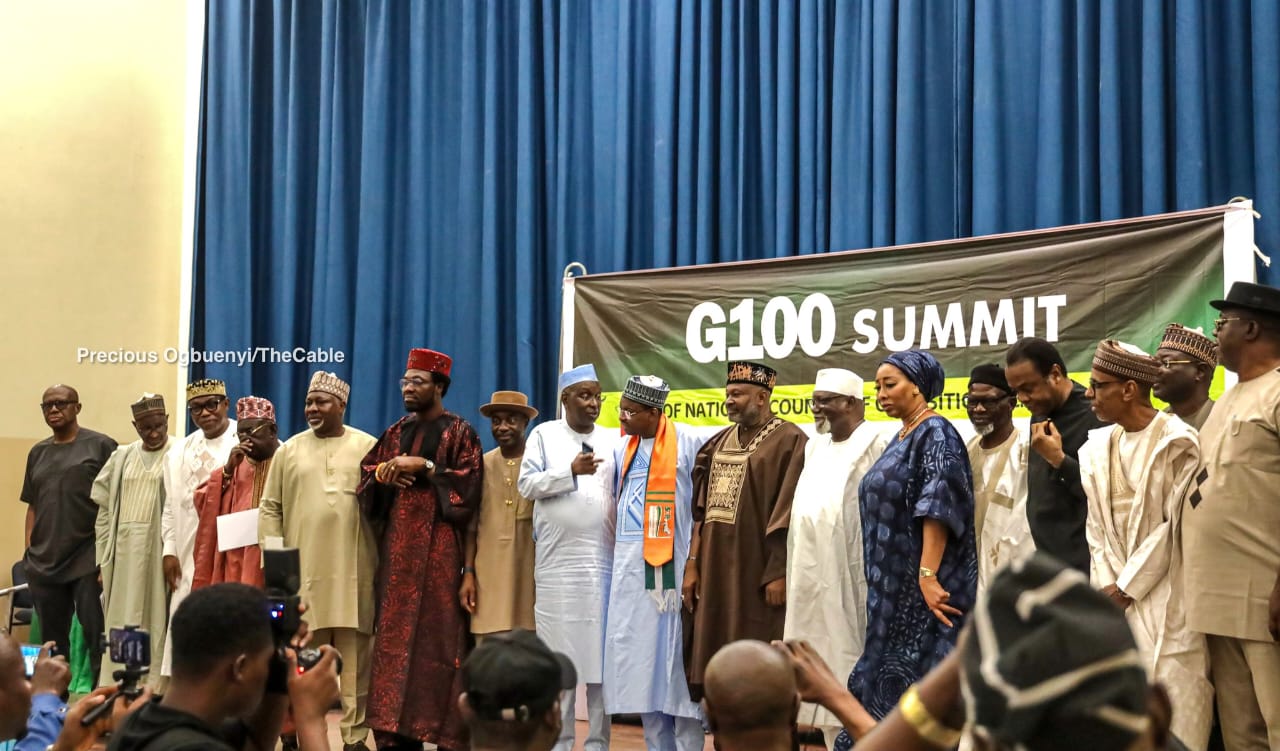
The coalition, operating under the G100 framework, comprises the Nigeria Democratic Congress (NDC), African Democratic Congress (ADC), Allied Peoples Movement (APM), a faction of the Peoples Democratic Party (PDP), Peoples Redemption Party (PRP) and Social Democratic Party (SDP).
The parties said the initiative was driven by the need to address vote fragmentation among opposition groups and provide Nigerians with a more competitive alternative at the polls.
The development followed a series of national-level engagements, summits and technical working-group meetings aimed at developing an operational and political framework for the proposed alliance.
Participants in the negotiations said the coalition would require clearly defined principles, structures and responsibilities if it is to remain cohesive through the 2027 electoral cycle.
Stakeholders also warned that internal disagreements, undisclosed political interests and individual ambitions could undermine the proposed arrangement if not addressed through transparent negotiations.
According to the parties, all participating groups must approach the discussions with openness and a willingness to make compromises in the broader interest of building a credible opposition platform.
They argued that a functioning democracy requires not only an incumbent government but also a viable alternative capable of convincing voters that it can provide effective governance.
The coalition is therefore seeking to create a broad political platform that can bring together opposition parties and political blocs that might otherwise compete against one another, potentially dividing votes across constituencies.
The parties said their immediate focus is on strengthening the coalition's internal structure, developing mechanisms for coordination and determining how the participating organisations would work together during the electoral process.
Technical working groups are currently reviewing proposals on the structure and operational framework of the alliance ahead of further opposition summits.
One of the issues expected to receive attention is the policy direction of a possible coalition government should the opposition secure victory in 2027.
Stakeholders have begun discussing policy priorities that could form part of a proposed transition programme, with emphasis expected to be placed on areas capable of demonstrating the coalition's governance capacity within an initial transition period.
The parties have also stressed the importance of presenting voters with a clear programme rather than relying solely on opposition to the incumbent administration.
Political observers say the success of the initiative will depend largely on the ability of the participating parties to resolve questions surrounding leadership, candidate selection, power-sharing, party structures and the management of competing political interests.
The coalition represents one of the latest efforts by opposition forces to establish a broader political front ahead of the 2027 elections.
If the negotiations produce a durable structure and the participating parties maintain their commitment to the alliance, the arrangement could influence the distribution of opposition votes and potentially reshape electoral contests across several parts of the country.
However, the parties still face the challenge of translating their ongoing negotiations into a coherent political organisation capable of operating effectively at national, state and grassroots levels.
Further summits and consultations are expected as the G100-led coalition continues discussions on its final structure, policy agenda and strategy for the 2027 general elections.